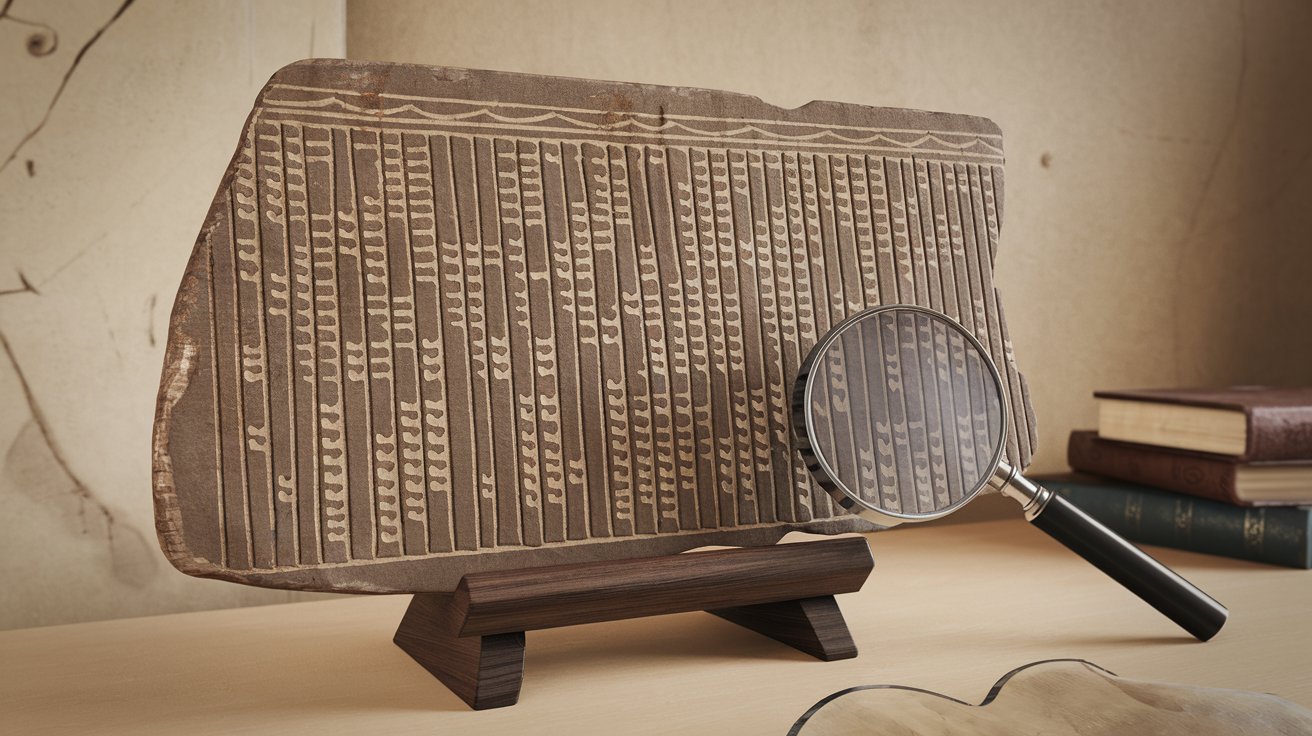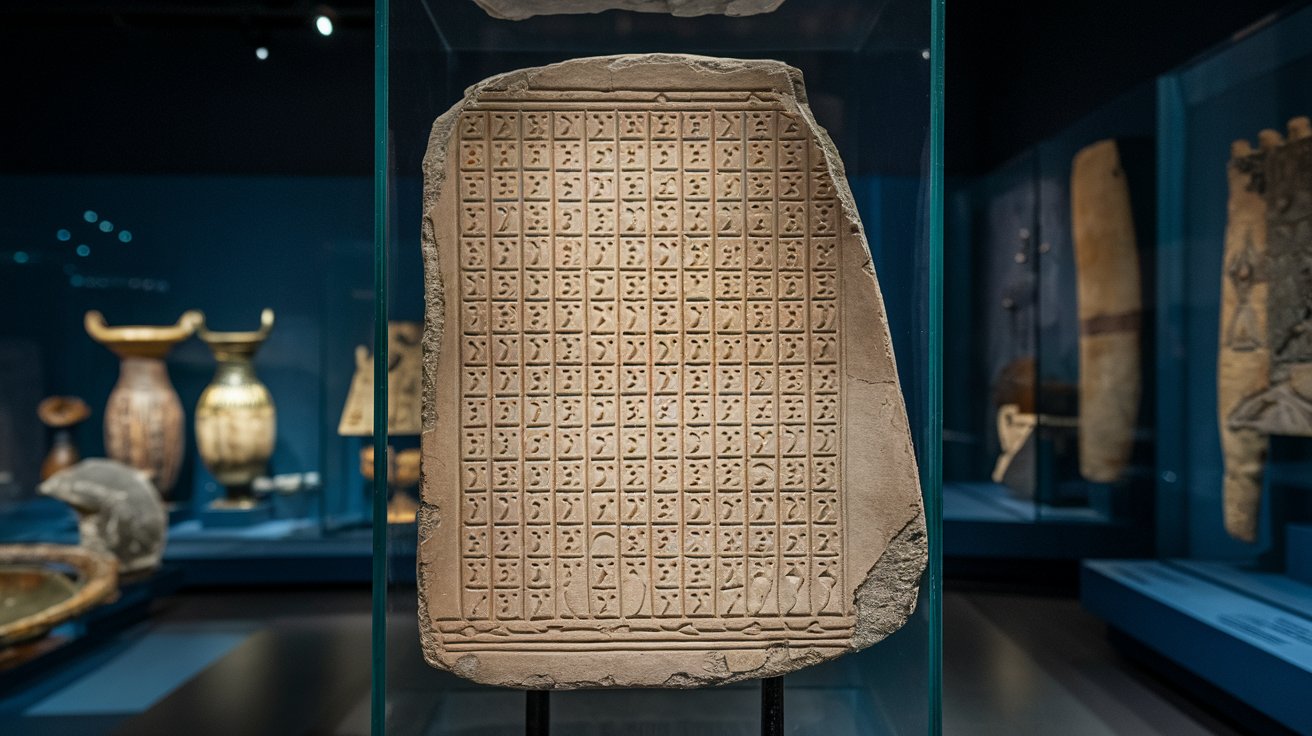
Cuneiform script, known as spijkerschrift in Dutch, represents humanity’s earliest known writing system, developed by the ancient Sumerians around 3400 BCE in Mesopotamia. This wedge-shaped writing method revolutionized communication, record-keeping, and cultural transmission across ancient civilizations. Understanding cuneiform provides invaluable insights into the foundations of modern writing systems and the administrative, literary, and scientific achievements of ancient Near Eastern societies that continue to influence us today.
What Is Cuneiform Script and How Does It Work
Cuneiform script is a writing system that uses wedge-shaped marks pressed into soft clay tablets with a reed stylus. The name derives from the Latin word ‘cuneus,’ meaning wedge. Unlike alphabetic systems, cuneiform began as a logographic and syllabic writing system where symbols could represent entire words, concepts, or phonetic sounds. This versatility allowed scribes to record complex information ranging from administrative records to epic literature like the Epic of Gilgamesh.
The writing process involved scribes pressing a reed stylus at specific angles into wet clay to create distinct wedge shapes. These impressions would then dry or be baked, creating permanent records that have survived millennia. The system evolved from simple pictographs representing objects to abstract combinations of wedges representing sounds and ideas. By 2026, advanced digital imaging techniques at institutions like the University of Pennsylvania Museum allow scholars to analyze over 500,000 cuneiform tablets, revealing new insights about ancient economies, legal systems, and daily life in Mesopotamian societies.
Early Development and Evolution of Cuneiform
The earliest forms of cuneiform emerged around 3400-3200 BCE in ancient Sumer, located in present-day southern Iraq. Initial symbols were pictographic, representing concrete objects like grain, cattle, or water. These proto-cuneiform markings served primarily administrative purposes, tracking temple goods and agricultural production. Archaeological evidence from sites like Uruk demonstrates that early scribes developed approximately 1,200 distinct pictographic signs during this formative period.
Transformation from Pictographs to Abstract Symbols
Between 3200-2900 BCE, cuneiform underwent significant transformation as pictographs became increasingly abstract and stylized. The symbols rotated 90 degrees and evolved into combinations of wedge-shaped impressions, making the writing process faster and more efficient. This evolution reflected the growing complexity of Mesopotamian society, requiring more sophisticated record-keeping systems. Scribes reduced the number of signs from 1,200 to approximately 600-700 core symbols by incorporating phonetic elements, allowing representation of grammatical particles and proper names that couldn’t be depicted pictographically.
Adaptation Across Multiple Languages and Cultures
The cuneiform system’s flexibility enabled its adaptation to numerous ancient languages beyond Sumerian, including Akkadian, Babylonian, Assyrian, Hittite, Elamite, and Old Persian. Each culture modified the basic wedge-shaped symbols to accommodate their linguistic structures. The Akkadians, who dominated Mesopotamia after the Sumerians, adapted cuneiform to their Semitic language around 2500 BCE, creating a writing system that would persist for over 2,000 years. By 2026, linguistic analysis reveals that cuneiform was used to write at least 15 different languages across the ancient Near East, demonstrating unprecedented cultural and commercial interconnection in the ancient world.
The Difference Between Cuneiform and Hieroglyphics
Many people wonder what distinguishes cuneiform from hieroglyphics, as both represent ancient writing systems. The primary difference between cuneiform and hieroglyphics lies in their geographical origins, visual appearance, and structural organization. Cuneiform developed in Mesopotamia using wedge-shaped impressions on clay, while hieroglyphics emerged in ancient Egypt using pictorial symbols carved or painted on stone, papyrus, and other surfaces. The materials themselves dictated the writing styles: clay tablets favored simple wedge combinations, whereas Egyptian surfaces allowed for detailed pictorial representation.
Structurally, hieroglyphics maintained stronger pictorial elements throughout their history, with recognizable images of animals, people, and objects forming the core symbols. Cuneiform evolved more rapidly toward abstract combinations of wedges. Hieroglyphics combined logographic, syllabic, and alphabetic elements in a complex system, while cuneiform primarily functioned as a logographic-syllabic system. In the United States, major museum collections including the Metropolitan Museum of Art and the Oriental Institute at the University of Chicago house extensive examples of both writing systems, allowing visitors to compare these foundational scripts firsthand. Recent 2026 digital humanities projects have created interactive databases enabling side-by-side comparison of both scripts’ evolution and usage patterns.
The Decipherment of Cuneiform Script
The question ‘is cuneiform deciphered‘ has a definitive answer: yes, though the process took nearly a century of scholarly dedication. The breakthrough came through the trilingual Behistun Inscription in Persia (modern-day Iran), carved by King Darius I around 520 BCE. This massive rock inscription contained the same text in Old Persian, Elamite, and Babylonian cuneiform, providing scholars with a ‘Rosetta Stone’ for cuneiform decipherment. The inscription’s accessibility challenges—carved high on a cliff face—made early copying efforts dangerous and difficult.
Henry Rawlinson and the Decipherment Breakthrough
Henry Rawlinson, a British army officer and diplomat, played the pivotal role in deciphering cuneiform between 1835-1851. Using dangerous climbing techniques, Rawlinson copied the Behistun Inscription and systematically worked to decode the Old Persian version first, as it was alphabetic and simpler. His methodical approach involved identifying proper names like ‘Darius’ and ‘Xerxes,’ then working backward to determine phonetic values. Building on earlier work by Georg Friedrich Grotefend, Rawlinson successfully decoded the Old Persian text and used that knowledge to unlock the more complex Babylonian cuneiform. By 2026, scholars recognize Rawlinson’s contributions alongside those of Edward Hincks and Jules Oppert, who independently verified and expanded the decipherment process, establishing cuneiform studies as a legitimate academic discipline.
Modern Tools for Cuneiform Translation
Contemporary scholars seeking to translate cuneiform employ sophisticated digital tools unavailable to 19th-century pioneers. The Cuneiform Digital Library Initiative (CDLI), based at the University of California, Los Angeles, provides free online access to images and transliterations of over 334,000 cuneiform texts as of 2026. Advanced software like machine learning algorithms can now recognize and classify cuneiform signs with 95% accuracy, dramatically accelerating translation work. Institutions across the United States, including Yale University’s Babylonian Collection and Harvard’s Semitic Museum, have digitized their collections, making cuneiform translation more accessible to researchers worldwide through high-resolution 3D imaging and collaborative online databases.
Cuneiform Alphabet and Writing System Structure
Referring to a ‘cuneiform alphabet‘ is technically imprecise, as cuneiform wasn’t alphabetic in the modern sense. Instead, the system combined logograms (symbols representing entire words or concepts) and syllabic signs (representing sounds). The cuneiform writing system required scribes to master hundreds of signs, each potentially having multiple readings depending on context. A single symbol might represent a Sumerian word, its Akkadian translation, or a phonetic syllable. This complexity meant that becoming a competent scribe required years of intensive training in specialized scribal schools called ‘edubbas’ or ’tablet houses.’
The most complete cuneiform sign lists catalog approximately 600-1,000 distinct signs, though individual texts typically used 200-300 core symbols. Unlike alphabets with 20-30 letters, cuneiform’s complexity served as a form of social control, restricting literacy to elite scribal classes. Modern students can explore simplified cuneiform charts that demonstrate how combinations of wedge marks created different meanings. As of 2026, educational resources from the Penn Museum and the British Museum offer interactive cuneiform learning tools that help enthusiasts understand this ancient writing system’s fundamental principles without requiring years of specialized training.
Writing Cuneiform: Materials and Techniques
Creating cuneiform inscriptions required specific materials and considerable skill. Ancient scribes used clay tablets as their primary writing surface because clay was abundant in Mesopotamia’s river valleys and provided an ideal medium for wedge impressions. The clay needed proper moisture content—too dry and it wouldn’t accept clear impressions, too wet and it would smudge. Scribes shaped clay into tablets ranging from palm-sized to large ceremonial pieces measuring over a foot across. The writing instrument, typically a cut reed stylus, was held at specific angles to create the characteristic wedge shapes that give cuneiform its distinctive appearance.
The Role of Water in Cuneiform Creation
Understanding ‘spijkerschrift water‘ or the relationship between cuneiform and water reveals essential aspects of the writing process. Water played a crucial role in maintaining clay’s workability during inscription. Scribes kept water nearby to moisten their hands and occasionally dampen the clay surface to prevent premature drying during lengthy inscriptions. After completing a text, tablets would be left to air-dry for routine documents or baked in kilns for important records requiring permanent preservation. The water content affected the clay’s durability—properly dried tablets could last millennia, while improperly prepared ones might crumble. Modern experiments conducted at universities in the United States demonstrate that replicating authentic cuneiform requires careful attention to clay-water ratios, validating ancient Mesopotamian scribes’ sophisticated understanding of materials science.
Where to Purchase Clay Tablets Today
For those interested in hands-on cuneiform writing experience, wondering ‘kleitablet kopen’ or where to buy clay tablets leads to several modern options. Educational supply companies and museum gift shops across the United States offer clay tablet kits specifically designed for cuneiform practice. The Oriental Institute Museum in Chicago and the Penn Museum in Philadelphia sell replica tablets with accompanying reed styluses. Online retailers including Amazon and specialty educational suppliers provide cuneiform starter kits ranging from $15-$50 as of 2026, including properly formulated clay, stylus tools, and instruction guides. Some pottery supply stores sell suitable modeling clay that approximates ancient Mesopotamian clay’s properties. For serious students, archaeological education companies offer premium kits with authentic clay compositions based on geological analysis of ancient tablets, providing the most accurate historical writing experience.
Learning Resources: Cuneiform Books and Courses
Selecting the right spijkerschrift boek or cuneiform book depends on your learning goals and background. For English-speaking audiences, several comprehensive resources stand out in 2026. ‘Reading the Past: Cuneiform’ by C.B.F. Walker remains a accessible introduction combining historical context with practical sign reading. Irving Finkel’s ‘The Ark Before Noah’ offers engaging storytelling while teaching cuneiform through analysis of the flood tablet. More advanced students appreciate John Huehnergard’s ‘A Grammar of Akkadian,’ which provides systematic linguistic instruction for serious language study.
American universities including Yale, Harvard, and the University of Chicago offer cuneiform courses both in-person and online. The University of Pennsylvania’s online course ‘Ancient Mesopotamia’ includes significant cuneiform content accessible to general audiences. Free resources from the British Museum’s website provide downloadable cuneiform learning modules with interactive exercises. As of 2026, YouTube channels like ‘Cuneiform Revealed’ offer video tutorials demonstrating proper stylus techniques and sign recognition. The combination of traditional textbooks, university courses, and digital resources means that learning cuneiform in English has never been more accessible to American students and enthusiasts outside formal academic settings.
Cuneiform’s Influence on Modern Writing Systems
The legacy of cuneiform extends far beyond ancient Mesopotamia, influencing the development of writing systems worldwide. As humanity’s first true writing system, cuneiform established fundamental concepts that persist in modern scripts: the idea that symbols could represent sounds rather than just objects, the standardization of signs for consistent communication, and the social organization required to maintain literate cultures. While no modern alphabet directly descends from cuneiform signs, the conceptual framework it established—particularly the shift from pictographic to phonetic representation—laid groundwork for subsequent writing innovations including Phoenician, Greek, and eventually Latin alphabets.
Archaeological and linguistic evidence suggests that cuneiform’s organizational principles influenced the development of other ancient scripts. The concept of scribal schools, standardized sign lists, and professional copyists all originated in Mesopotamian cuneiform culture and spread throughout the ancient world. In the United States, cuneiform studies contribute to understanding literacy’s role in civilization development, informing contemporary educational policy and literacy programs. Digital humanities projects in 2026 use cuneiform tablets to study information management systems, revealing that ancient scribes developed surprisingly sophisticated methods for organizing, storing, and retrieving information—techniques that parallel modern database structures and information science principles still relevant in our digital age.
Major Cuneiform Collections in the United States
The United States houses several world-class cuneiform tablet collections providing crucial research resources and public education opportunities. The Yale Babylonian Collection contains approximately 45,000 cuneiform tablets, making it one of the largest collections outside Iraq. These tablets span the entire chronological range of cuneiform usage, from early Sumerian administrative texts to late Babylonian astronomical records. The University of Pennsylvania Museum holds over 30,000 tablets excavated from Nippur, one of ancient Sumer’s most important religious centers, offering unparalleled insights into Mesopotamian religious and economic life.
The Oriental Institute at the University of Chicago maintains approximately 25,000 cuneiform documents, many from their own excavations at sites like Khorsabad and Megiddo. The Metropolitan Museum of Art in New York displays select cuneiform pieces in their Ancient Near Eastern galleries, making these artifacts accessible to millions of visitors annually. As of 2026, these institutions have digitized significant portions of their collections, offering free online access to high-resolution images and scholarly translations. The Cuneiform Digital Library Initiative aggregates data from these and international collections, creating a comprehensive virtual museum of cuneiform texts. This digital accessibility represents a revolution in cuneiform studies, allowing researchers and enthusiasts nationwide to examine ancient tablets without traveling to physical repositories, democratizing access to these foundational documents of human civilization.
Related video about spijkerschrift
This video complements the article information with a practical visual demonstration.
FAQ – Common Questions
How does cuneiform script work and what makes it unique?
Cuneiform works by combining wedge-shaped marks pressed into clay to represent words, syllables, and concepts. Unlike alphabetic systems, cuneiform uses a mixed logographic-syllabic approach where symbols can represent complete words or phonetic sounds depending on context. Scribes created these marks using reed styluses pressed at specific angles into wet clay tablets. The system’s uniqueness lies in its dual function—symbols served both as word-signs and sound-signs—requiring scribes to master contextual interpretation. This complexity made cuneiform highly versatile, allowing it to represent multiple unrelated languages across 3,000 years of continuous use throughout the ancient Near East.
What is the main difference between hieroglyphics and cuneiform?
The primary differences between hieroglyphics and cuneiform involve origin, appearance, and materials. Cuneiform developed in Mesopotamia using wedge-shaped impressions on clay tablets, while hieroglyphics originated in Egypt using pictorial symbols on stone and papyrus. Visually, cuneiform consists of abstract combinations of wedge marks, whereas hieroglyphics retained recognizable pictures of objects, animals, and people. Structurally, cuneiform evolved more rapidly toward phonetic abstraction, while hieroglyphics maintained stronger pictorial elements throughout their use. The writing materials fundamentally shaped each system: clay favored simple wedges, while Egyptian surfaces allowed detailed artistic representations, resulting in distinctly different visual aesthetics and practical applications.
Has cuneiform been fully deciphered and translated?
Yes, cuneiform has been successfully deciphered, beginning with Henry Rawlinson’s breakthrough work on the Behistun Inscription in the 1840s-1850s. Modern scholars can read and translate most cuneiform texts with high accuracy, particularly in well-documented languages like Akkadian, Sumerian, and Old Persian. However, some challenges remain: obscure vocabulary in specialized texts, damaged tablets with missing sections, and rare languages with limited surviving examples. As of 2026, approximately 95% of cuneiform signs are well understood, and ongoing research continues refining translations. Digital tools and collaborative international projects enable increasingly accurate interpretations, though some texts—particularly those dealing with highly technical or ritualistic content—still present interpretive challenges requiring specialist knowledge.
Can I learn to write cuneiform script today?
Absolutely—learning cuneiform writing is accessible through multiple resources available in 2026. Educational kits including clay tablets and reed styluses are available from museum shops and online retailers for $15-$50. Universities like Yale, Harvard, and the University of Chicago offer courses ranging from introductory to advanced levels, some available online. Free digital resources from museums and academic institutions provide instructional materials, sign lists, and practice exercises. While mastering the complete system requires significant study, beginners can learn basic signs and create simple inscriptions within weeks. The hands-on experience of pressing a stylus into clay provides direct connection to ancient scribal practices, making cuneiform an engaging educational pursuit for students, history enthusiasts, and anyone interested in ancient writing systems.
Why did ancient civilizations use clay tablets for writing?
Clay tablets became the preferred writing surface in Mesopotamia due to practical and environmental factors. Clay was abundantly available in the river valleys of the Tigris and Euphrates, making it an inexpensive and renewable resource. Unlike papyrus or parchment, clay readily accepted wedge impressions and could be reused when wet or permanently preserved through drying or baking. The material’s durability proved exceptional—properly fired clay tablets survived fires, floods, and millennia of burial that destroyed organic materials. Clay’s plastic properties allowed scribes to create tablets in various sizes for different purposes, from small administrative notes to large literary compositions. The wedge-impression technique was faster than painting or carving, enabling efficient record-keeping for complex administrative systems governing ancient Mesopotamian economies and bureaucracies.
Where can I see authentic cuneiform tablets in the United States?
Major American museums house significant cuneiform tablet collections accessible to the public. The Yale Peabody Museum displays selections from their 45,000-tablet Babylonian Collection in New Haven, Connecticut. The University of Pennsylvania Museum in Philadelphia features extensive Mesopotamian galleries with numerous cuneiform artifacts. The Oriental Institute Museum at the University of Chicago showcases tablets alongside other ancient Near Eastern materials. The Metropolitan Museum of Art in New York includes cuneiform pieces in their Ancient Near Eastern galleries. As of 2026, many institutions offer virtual tours and online collections, allowing remote viewing of high-resolution tablet images. Special exhibitions periodically feature cuneiform writing alongside educational programs teaching basic sign recognition and historical context, providing engaging ways to experience this ancient writing system firsthand.
| Key Aspect | Important Details | Historical Significance |
|---|---|---|
| Origin & Timeline | Developed 3400 BCE in Sumer, used continuously for 3,000+ years across 15 languages | Humanity’s first true writing system, foundation for literate civilization |
| Writing Method | Reed stylus pressed into wet clay creating wedge-shaped impressions | Enabled mass production of durable records that survived millennia |
| System Structure | Logographic-syllabic with 600-1,000 signs representing words and sounds | Revolutionary shift from pictographic to phonetic representation |
| Decipherment | Henry Rawlinson decoded via Behistun Inscription (1835-1851) | Unlocked access to 3,000 years of Mesopotamian history and literature |
| Modern Study | 334,000+ digitized tablets available online, AI-assisted translation (2026) | Democratized access to ancient knowledge, ongoing discoveries continue |
| US Collections | Major holdings at Yale (45,000), Penn Museum (30,000), Chicago (25,000) | Leading global research centers advancing cuneiform scholarship |